
"wild Arabic coffee"
200 article(s) found

Ethiopian coffee with a long aftertaste Description Variety Features Price Growing Environment Introduction
Ethiopia is the birthplace of the famous Arabica coffee bean, and the tradition of harvesting wild coffee beans has been maintained to this day. The coffee garden with an altitude of more than 1500 meters has formed a unique coffee terroir after more than a thousand years of evolution and adaptation. Ethiopian coffee grown in a natural wild environment is called wilderness coffee, retaining the most primitive and natural taste of coffee beans.

Introduction to the unique flavor of the incredible Yemeni Haimi Sea Secret of Asian Coffee
Professional barista communication please pay attention to the coffee workshop (Wechat official account cafe_style) Yemeni mocha coffee the most correct spelling should be Al-Mahka, which is the Arabic spelling, but finally still see on the sack as the correct spelling Mocca or Mocha, regardless of some naming and spelling trivial Yemeni coffee is the world's most unique and expensive coffee, the overall style

Flavor description of Sidamo G1 and washed Yega Snow Coffee the origin of grinding scale
Description of the flavor of Sidamo G1 and washed Yega Coffee Coffee the flavor of water-washed coffee from the producing area is not easy to have wild flavor and has the characteristics of purity and freshness, which is suitable for the roasting degree from City to Full City. In some Ethiopian water-washed coffee beans with excellent nature, the aroma of lemon, citrus essential oil and jasmine can sometimes be detected.

The Yemeni mocha Hirazi producing area according to the flavor of the wild mocha coffee variety of Sima Ismaili?
Professional coffee knowledge exchange more coffee bean information please follow the coffee workshop (Wechat official account cafe_style) Yemen mocha Hirazi production area Yishi Mary Ismaili wild coffee flavor? The origin of wild coffee may be in Ethiopia (Ethiopia) in northeast Africa. It spread to Yemen in southern Arabia in the 15th century for artificial cultivation.

Introduction to the Flavor and Taste of Banchi Magi Coffee Coffee beans in Banci Magi Coffee producing area
The wild taste of Gemma and the wine aroma peculiar to Harald also drive many coffee fans crazy. Ethiopian coffee varies greatly from batch to batch, so pay attention to the batch number when buying, indicating that the taste of two bags of coffee in the same producing area may differ by 108000 li. In addition, Ethiopian coffee is usually harvested earlier, which is different from coffee in many other regions. Also

Yemeni Coffee reasons for the good quality of Yemeni Coffee the taste characteristics of Yemeni coffee from Yemeni coffee producing area
Professional coffee knowledge exchange more coffee bean information please follow the coffee workshop (Wechat official account cafe_style) the most correct spelling of mocha coffee should be Al-Mahka, which is Arabic spelling, but in the end still see on the sack as the correct spelling Mocca or Mocha, regardless of some naming and spelling trivial Yemeni coffee is the world's most unique and expensive coffee

Coffee Originated from Ethiopia or Arabia Brand Features Flavor Taste Introduction
Ethiopian coffee is still divided into two categories: wild coffee and artificial coffee. Wild to the southwest of the season horse area dominated by low harvest. The yield of coffee beans per hectare on artificial plantations is 500600 kg. According to statistics, Ethiopia now has more than 400,000 hectares of coffee gardens, mainly distributed in the season.

Start a fantastic journey from coffee
Seattle people are famous for drinking coffee. Egypt: there are special Arabic spices in coffee. Arabia is the first region in the world to drink and produce coffee. Caffeine culture is full of nostalgia in Egypt. Even Najib Mahafuz, a Nobel Prize winner and a famous Egyptian writer, has a specific description of Egyptian cafes in many of his novels. The most unique thing is, stir-fry

Yemeni coffee flavor Yemeni coffee characteristics Yemeni boutique coffee
For more information on coffee beans, please follow the coffee workshop (official Wechat account cafe_style). Yemeni coffee is immediately reminiscent of the magical sun-dried beans that taste thick and full, and the fantasy wild aroma of fermented tea in its aftertaste is stacked, full of mystery and elusiveness and infinite longing like the country of Yemen. Yemen is located in Ethiopia across the Red Sea and East Africa in Asia.

What are the characteristics of Yemeni mocha coffee beans? What's so special about the planting history and environment?
What are the characteristics of Yemeni mocha coffee beans? What's so special about the planting history and environment? Where is the flavor going? As a matter of fact, Yemen is located on the Arabian Peninsula of the Asian continent, but it is very close to Africa as long as it crosses the Red Sea and the Gulf of Aden. However, other Arab countries do not produce coffee, so the world classifies Yemen Coffee as a member of the North African coffee family.

The oldest coffee in the world-- mocha coffee
Mocha coffee is the oldest coffee in the world, and its taste is consistent with antiquity and mellowness. Mocha coffee with a long history is synonymous with coffee. Its unique aroma and sour taste have attracted many coffee lovers. Some people say that in coffee, Blue Mountain can be king and mocha can be called queen. Mocha coffee has the most unique, richest and most attractive coffee in the world.

Yemeni coffee what are the characteristics of Yemeni mocha beans? How do you drink Yemeni coffee?
For more information on coffee beans, please follow the coffee workshop (Wechat official account cafe_style) most mocha drinkers know that hot chocolate is a mixture of chocolate syrup or powder and coffee, but for coffee connoisseurs-it's the equivalent of a fake Louis Vuitton bag. Yemeni coffee is priced at $173 a pound in the United States. Or you can go back to being fought.

Flavor description of Sidamo G1 and washed Yega Snow Coffee A brief introduction to the taste characteristics of grinding scale
Sidamo is one of the three major coffee-producing areas in Egypt. Yejaschenne comes from the Cedamo-producing area. It is famous because of its highest altitude and the best flavor. Of course, from this point of view, it shows that the flavor of Sidamo is still worse than that of Yega Chet. So if someone tells you that Sidamo is actually a kind of Yega Coffee, which is understandably washed coffee.
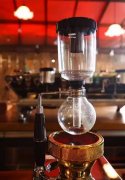
Characteristics of flavor description of Ugandan single bean coffee bean Development History of planting Information planting varieties
For the exchange of professional baristas, please pay attention to the coffee workshop (Wechat official account cafe_style) East African Great Graben (that is, Rift Valley) connecting Weidolia Lake and Elgon Mountain is a famous and important boutique coffee belt in East Africa. The eastern side of Mount Elgon is one of the important coffee producing areas in Kenya, while the western side of Mount Elgon, the western highland on the Ugandan side, also produces great coffee.
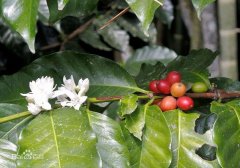
Yemeni mocha beans Yemeni boutique coffee beans delicious African coffee
Yemeni (Yemen) aroma 4, brightness 4, mellow, 3 flavors, 4.5 aftertaste, 5 points suitable for baking: City/Full city from city to full city is suitable, light baking will highlight the western flavor and spice, while deeper baking will make dark chocolate and smoky taste obvious, at the same time, the taste will be more intense. It should be noted that because the beans are relatively small, plus the size of the particles

Mocha Africa's unique Yemeni coffee bean sun-dried coffee bean boutique coffee
Because the beans are relatively small and there is a big difference in particle size, we should pay attention to the problem of stuck beans when using a drum roaster. Yemen is located in the Arabian Peninsula of the Asian continent, across the Red Sea and Africa, generally classified as African beans. When it comes to Yemen, what most people think of directly is Mocha! In fact, Mocha is a port in Yemen, where almost all the attached coffee used to be.

Ancient coffee producing area of Mocha in Yemen | introduction to "Happy" coffee produced by Haraaz Hanas
Haraaz Hanas in Yemen is one of the nine small coffee producers in the north. The coffee is grown on terraces. There is no data to verify the wild species. What is so special about this bean? Haraaz is a small batch of mochas specially produced for single bean merchants, who only buy ripe red coffee cherries from soybean farmers, rather than those that have been dried and have been harvested for how long.
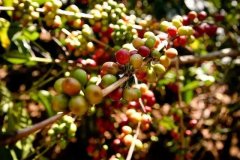
Yemeni boutique coffee mocha coffee beans
The American Fine Coffee Association (SCAA) Baker Association 2012 COTY-Coffees of the Year Competition ended a few days ago. 250 kinds of raw coffee beans from 26 countries in the world's major coffee producing regions took part in the competition for the 2011 / 12 Global Best Fine Coffee Award. After the professional judges on the dry fragrance, wet aroma, taste, flavor, aftertaste and mellow of the participating coffee

Unique Yemeni Coffee beans Fine Coffee of Arabian Peninsula on the Asian continent of Yemen
Yemeni (Yemen) aroma 4, brightness 4, mellow, 3 flavors, 4.5 aftertaste, 5 points suitable for baking: City/Full city from city to full city is suitable, light baking will highlight the western flavor and spice, while deeper baking will make dark chocolate and smoky taste obvious, at the same time, the taste will be more intense. It should be noted that because the beans are relatively small, plus the size of the particles is quite large.

Yemen is located in the Asian continent of the Arabian Peninsula African coffee flavor single product
Yemeni (Yemen) aroma 4, brightness 4, mellow, 3 flavors, 4.5 aftertaste, 5 points suitable for baking: City/Full city from city to full city is suitable, light baking will highlight the western flavor and spice, while deeper baking will make dark chocolate and smoky taste obvious, at the same time, the taste will be more intense. It should be noted that because the beans are relatively small, plus the size of the particles is quite large.